Practical Resources for Electronics Professionals
- Fabio Piuma
- Jun 29
- 4 min read

In the fast-paced world of electronics, staying updated with the latest tools, techniques, and resources is crucial for professionals in the field. Whether you are an engineer, technician, or hobbyist, having access to practical resources can significantly enhance your productivity and effectiveness. This blog post will explore various resources that can help electronics professionals thrive, from online platforms and communities to essential tools and educational materials.
Online Learning Platforms
Coursera
Coursera offers a wide range of courses related to electronics, from basic principles to advanced topics. Many courses are developed by top universities and institutions, providing high-quality content. You can learn at your own pace and even earn certificates that can enhance your resume.
edX
Similar to Coursera, edX provides access to courses from prestigious universities. Topics range from circuit design to embedded systems. The platform also offers MicroMasters programs, which can be beneficial for those looking to deepen their knowledge in specific areas.
Udemy
Udemy is known for its diverse course offerings, including practical electronics courses. You can find courses tailored to specific skills, such as soldering, PCB design, and Arduino programming. The user reviews and ratings can help you choose the best courses for your needs.
Community Forums and Online Groups
Stack Exchange (Electronics)
Stack Exchange is a question-and-answer platform where electronics professionals can seek help and share knowledge. The Electronics section is particularly useful for troubleshooting, project advice, and learning from experienced practitioners.
Reddit (r/electronics)
The r/electronics subreddit is a vibrant community where enthusiasts and professionals discuss various topics related to electronics. You can find project ideas, ask for advice, and share your own experiences. The community is generally supportive and eager to help newcomers.
Facebook Groups
There are numerous Facebook groups dedicated to electronics. These groups often share resources, project ideas, and troubleshooting tips. Joining a few relevant groups can provide you with a wealth of information and networking opportunities.
Essential Tools for Electronics Professionals
Multimeters
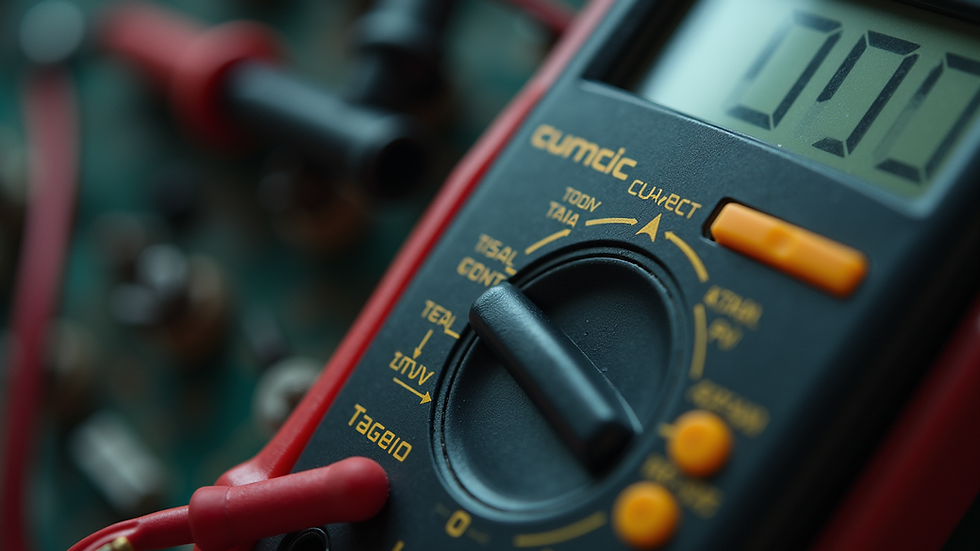
A multimeter is an indispensable tool for anyone working in electronics. It measures voltage, current, and resistance, making it essential for troubleshooting circuits. Investing in a good quality multimeter can save you time and frustration.
Oscilloscopes
For more advanced diagnostics, an oscilloscope is invaluable. It allows you to visualize electrical signals, helping you understand how circuits behave over time. While oscilloscopes can be expensive, there are affordable options available for hobbyists.
Soldering Station
A reliable soldering station is crucial for assembling and repairing electronic components. Look for a station with adjustable temperature settings and a variety of tips to accommodate different tasks. A good soldering iron can make a significant difference in the quality of your work.
Books and Educational Materials
"The Art of Electronics" by Paul Horowitz and Winfield Hill
This book is often considered the "bible" of electronics. It covers a wide range of topics, from basic principles to advanced circuit design. The clear explanations and practical examples make it a must-have for anyone serious about electronics.
"Make: Electronics" by Charles Platt
This book is perfect for beginners and hobbyists. It provides hands-on projects that teach fundamental concepts in a fun and engaging way. The step-by-step instructions make it easy to follow along, even for those with little prior experience.
Online Tutorials and Blogs
Many professionals and enthusiasts share their knowledge through blogs and tutorials. Websites like Instructables and Hackaday offer a plethora of projects and guides that can inspire your next endeavor. Following these resources can keep you updated on the latest trends and techniques in electronics.
Software Tools
Circuit Simulation Software
Tools like LTspice and Multisim allow you to simulate circuits before building them. This can save time and resources, as you can test different configurations and troubleshoot issues virtually. Many of these tools are free or offer student versions.
PCB Design Software
For those involved in designing printed circuit boards, software like KiCad and Eagle is essential. These tools help you create schematics and layouts, making the design process more efficient. Many offer extensive libraries of components, simplifying the design process.
Programming Environments
If you work with microcontrollers, having a solid programming environment is crucial. Arduino IDE and PlatformIO are popular choices that support various microcontroller platforms. They provide libraries and examples to help you get started quickly.
Networking and Professional Development
Conferences and Workshops
Attending industry conferences and workshops can provide valuable networking opportunities. Events like the International Conference on Electronics, Communications, and Networks (CECNet) allow you to meet other professionals, learn about the latest advancements, and share your work.
Local Maker Spaces
Joining a local maker space can be a great way to connect with other electronics enthusiasts. These spaces often provide access to tools and resources that you may not have at home. Additionally, they host workshops and events that can enhance your skills.
Professional Organizations
Consider joining professional organizations such as the Institute of Electrical and Electronics Engineers (IEEE). Membership often includes access to journals, conferences, and networking opportunities that can help you stay informed about industry trends.
Conclusion
In the ever-evolving field of electronics, having access to the right resources is essential for success. From online learning platforms and community forums to essential tools and educational materials, there are numerous options available to help you enhance your skills and knowledge. By leveraging these resources, you can stay ahead in your career and continue to grow as an electronics professional.
Take the time to explore these options, engage with the community, and invest in your professional development. The world of electronics is vast and exciting, and with the right resources, you can navigate it successfully.


Comments